
• Home
    • Clinical Curriculum
    • Didactic Curriculum
    • Sub-Specialties
    • Diversity and Inclusion
    • Residency Awards
    • Wellness
    • Cook County ED
    • Benefits
    • Interview Day Logistics
    • About Chicago
    • FAQ
    • Contact Information
    • Medical Student Elective
    • Rotating Student Resources
    • M4 Externship Scholarship
    • Emergency Ultrasound
    • Simulation
    • Toxicology
    • Residents
    • Fellows
    • Faculty
    • Program Directors
    • Where We're From
    • Where Are We Going?
    • Alumni
  • Blog
  • Login
Menu

Cook County Emergency Medicine Residency

  • Home
  • Residency
    • Clinical Curriculum
    • Didactic Curriculum
    • Sub-Specialties
    • Diversity and Inclusion
    • Residency Awards
    • Wellness
  • Recruitment
    • Cook County ED
    • Benefits
    • Interview Day Logistics
    • About Chicago
    • FAQ
    • Contact Information
  • Students
    • Medical Student Elective
    • Rotating Student Resources
    • M4 Externship Scholarship
  • Fellowships
    • Emergency Ultrasound
    • Simulation
    • Toxicology
  • People
    • Residents
    • Fellows
    • Faculty
    • Program Directors
    • Where We're From
    • Where Are We Going?
    • Alumni
  • Blog
  • Login

the County Consult

A Cook County Hospital Emergency Medicine Blog for up-to-date medicine and more.

No results found

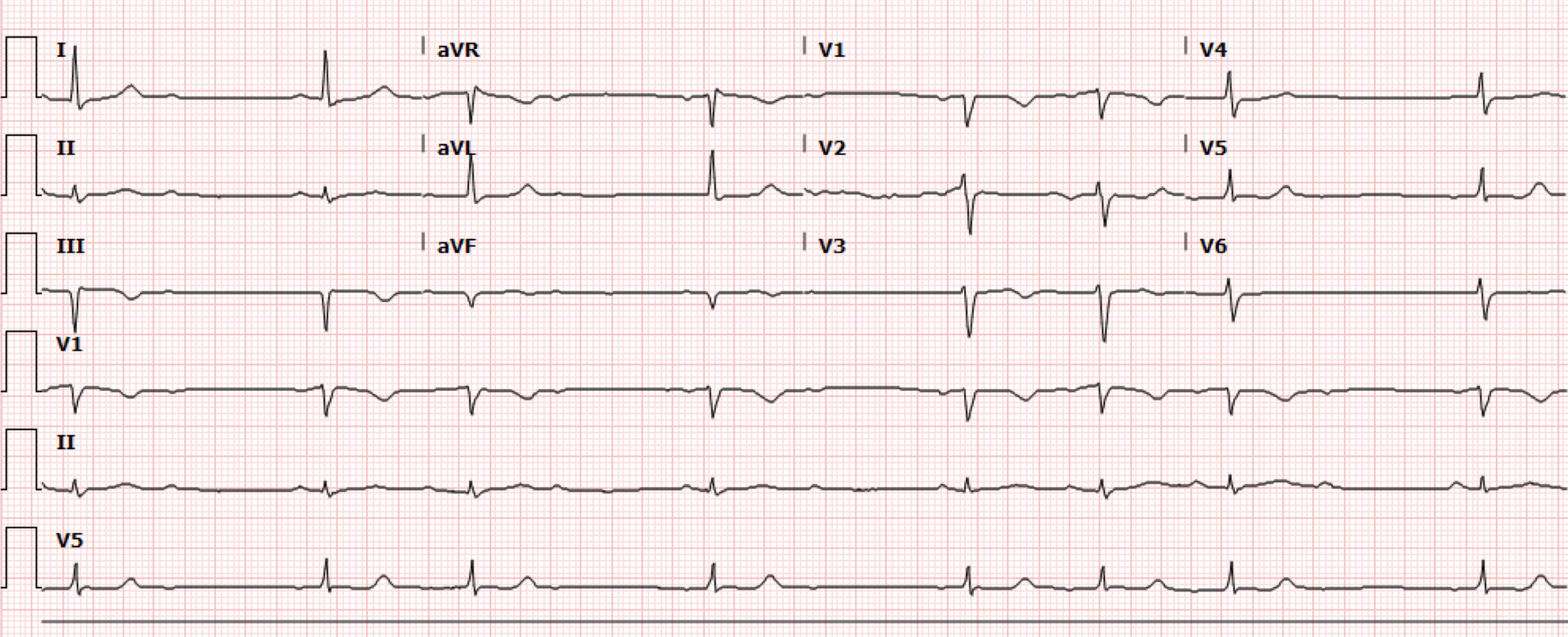
Figure 1. Index EKG

Heart of the Matter: Sinus Node Infarction

April 22, 2026

A 59-year-old male with no known medical history presents to the emergency department with complaints of chest pain and shortness of breath for one week. The chest pain and shortness of breath is exertional and acutely worsened on the day of presentation which prompted the ED visit. Initial vital signs notable for BP 106/87, HR 45, RR 18 and oxygen saturation 98% on room air. The patient’s initial EKG (Figure 1) is shown.

Abish Kharel MD and Ari Edelheit MD

Read More
In Cardiology
Comment

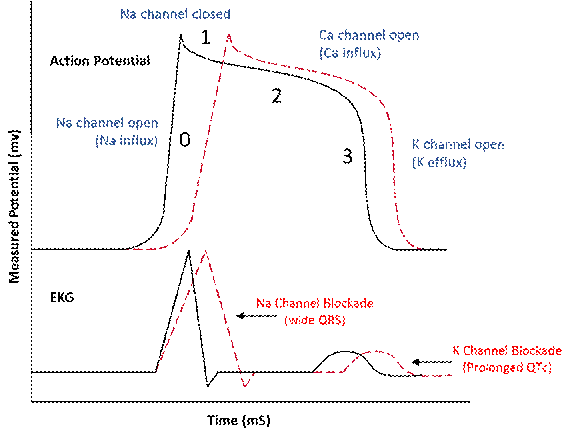
Figure 1. Action potential with QT prolongation

Pharm & Cheese: Antipsychotic Selection and Risk of QTc Prolongation

April 22, 2026

Hey Doc, Mr. Jones in R4 is starting to sundown and keeps trying to get out of bed, do you have anything to sedate him? You look into R4 and Mr. Jones is pulling off his pulse ox and yelling at the tech, he definitely needs something to calm him down. However, Mr. Jones is 83 and is being admitted for CHF exacerbation on 5L NC, you also remember his ECG looking funny so you pull it up again. Oh yeah, he has a QTc of 509…that makes sedating him a bit more difficult. You think through your go-to list of medications…he is already on oxygen and hypoxic so you want to be careful about causing too much CNS depression with benzos, and his QTc is long so can you safely give him an antipsychotic?  You vaguely remember that haldol seemed to be safe-ish, but haven’t we all heard a horror story of someone going into torsades? Are there any other options?

Taylor Wahrenbrock MD, Joanne Rutsolias PharmD, & Eric Leser MD

Read More
In Psychiatry, Toxicology Tags PharmD Pearl, Pharmocology
Comment

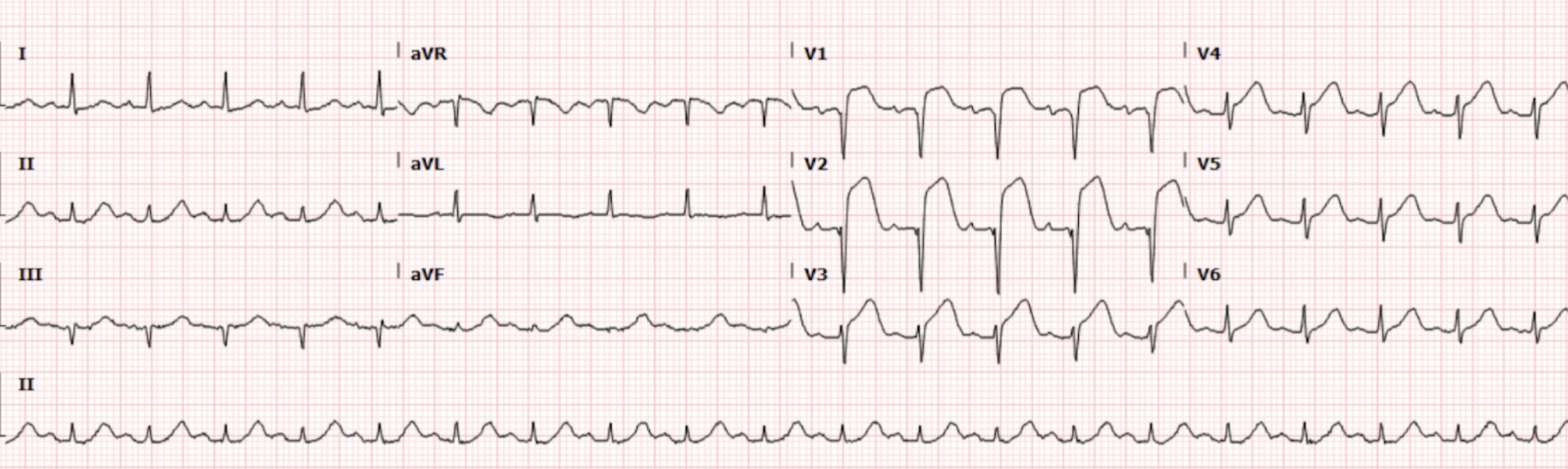
Figure 1. Index EKG

Heart of the Matter: LAD OMI

March 21, 2026

The patient is a 70-year-old female with a past medical history of hypertension, off of medications, who is presenting for concern of chest pain. The pain radiated to both her neck and back, started at 4 AM, and resolved just 10 minutes prior to arrival in the emergency department.  The patient had an EKG (Figure 1) in triage that was immediately brought to the attending for review

Erica Dolph MD and Ari Edelheit MD

Read More
In Cardiology Tags Cardiology
Comment
← Newer Posts Older Posts →
  • Abdomen/GI
  • Cardiology
  • Critical Care
  • Endocrine
  • HEENT
  • Immunology
  • Infectious Disease
  • Neurology
  • OB/GYN
  • Orthopedics/MSK
  • Pediatrics
  • Pharmacology
  • Psychiatry
  • Pulmonary
  • Renal
  • Sim Corner
  • Social EM
  • Toxicology
  • Trauma
  • Ultrasound
Tweets by @CookCountyEM

Contact Information

© 2020 Cook County Emergency Medicine