
• Home
    • Clinical Curriculum
    • Didactic Curriculum
    • Sub-Specialties
    • Diversity and Inclusion
    • Residency Awards
    • Wellness
    • Cook County ED
    • Benefits
    • Interview Day Logistics
    • About Chicago
    • FAQ
    • Contact Information
    • Medical Student Elective
    • Rotating Student Resources
    • M4 Externship Scholarship
    • Emergency Ultrasound
    • Simulation
    • Toxicology
    • Residents
    • Fellows
    • Faculty
    • Program Directors
    • Where We're From
    • Where Are We Going?
    • Alumni
  • Blog
  • Login
Menu

Cook County Emergency Medicine Residency

  • Home
  • Residency
    • Clinical Curriculum
    • Didactic Curriculum
    • Sub-Specialties
    • Diversity and Inclusion
    • Residency Awards
    • Wellness
  • Recruitment
    • Cook County ED
    • Benefits
    • Interview Day Logistics
    • About Chicago
    • FAQ
    • Contact Information
  • Students
    • Medical Student Elective
    • Rotating Student Resources
    • M4 Externship Scholarship
  • Fellowships
    • Emergency Ultrasound
    • Simulation
    • Toxicology
  • People
    • Residents
    • Fellows
    • Faculty
    • Program Directors
    • Where We're From
    • Where Are We Going?
    • Alumni
  • Blog
  • Login

the County Consult

A Cook County Hospital Emergency Medicine Blog for up-to-date medicine and more.

No results found

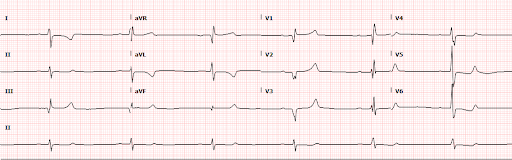
The Heart of the Matter: BRASH Syndrome

August 25, 2026

The patient is a 51-year-old with a past medical history of hypertension, ESRD on HD who presented from HD today because he was unable to get his session secondary to hypotension. The patient states he has had low blood pressure and heart rate in the past. He takes multiple medications including clonidine patches, nifedipine and carvedilol.

Read More

Comment

Alpha 2 Agonists

August 25, 2026

You’re working a red team overnight and a patient with opioid use disorder presents after a fall. He’s concerned about MSK pain and reports his last opioid use was this morning. You order some plain films and analgesia, and move to the next room. An hour later, you go back to discuss the imaging results and you barely recognize him.

He’s diaphoretic, tachycardic, and vomiting. You give him fluids, methadone, and zofran, but despite these treatments there’s no improvement. It looks like opioid withdrawal . . . but are you missing something? Is there more we can offer to help this patient? Let’s talk about it on this week’s Pharm & Cheese. 

Read More

Comment

Image from: https://publichealth.uic.edu/news-stories/network-characteristics-of-cook-county-jail-covid-outbreak/

The Social Disposition: Post-Incarceration Care

June 16, 2026

The United States is the world leader in incarceration, with an estimated 355 people out of every 100, 000 residents being incarcerated at any given time. Each year, more than 600,000 people are released from state and federal prisons, back into the community, where they are expected to reintegrate into society (1). People who are incarcerated or have ever experienced imprisonment are more likely to experience higher rates of mental illness, infectious diseases, chronic disease, substance use, and overall mortality compared to the general population (3).

Alison Mascarenhas MD, Amel Pineda MD, & Rashid Kysia MD

Read More
In Social EM
Comment
← Newer Posts Older Posts →
  • Abdomen/GI
  • Cardiology
  • Critical Care
  • Endocrine
  • HEENT
  • Immunology
  • Infectious Disease
  • Neurology
  • OB/GYN
  • Orthopedics/MSK
  • Pediatrics
  • Pharmacology
  • Psychiatry
  • Pulmonary
  • Renal
  • Sim Corner
  • Social EM
  • Toxicology
  • Trauma
  • Ultrasound
Tweets by @CookCountyEM

Contact Information

© 2020 Cook County Emergency Medicine